
Tech | Public Policy | Economics
I am dedicated to public service, leveraging data, technology, and social science to design inclusive strategies that expand economic opportunity. As Founder and CEO of AGORA, I create strategies, analysis, and digital solutions that deliver. From nonprofits to enterprises, AGORA helps organizations turn ideas into impact through smart strategies, actionable insights, and powerful tools.
With a strong foundation in microeconomics and entrepreneurship, I have developed high-impact programs that support small-business ecosystems and workforce pipelines. I hold a master’s degree in Public Policy from the University of Chicago’s Harris School of Public Policy, a bachelor’s degree in law from the Autonomous University of Baja California, and completed the Leading Economic Growth program at Harvard Kennedy School. I’m also certified in econometrics, digital marketing, and integrated communications.
How I work
Integrity. Trust is built when what you say and what you do match. I keep my word, tell the truth even when it's uncomfortable, and work in the open, especially when public money is involved.
Simplicity. Complexity leaves people out, whether it's a public contract, a loan application or a new technology. I try to make things clear enough that anyone can use them: plain language, fewer steps, no jargon.
Curiosity. Innovation starts long before technology, with something deeply human: asking why, and thinking it through until there is a better way. I keep asking, and I keep learning from the people I work with.
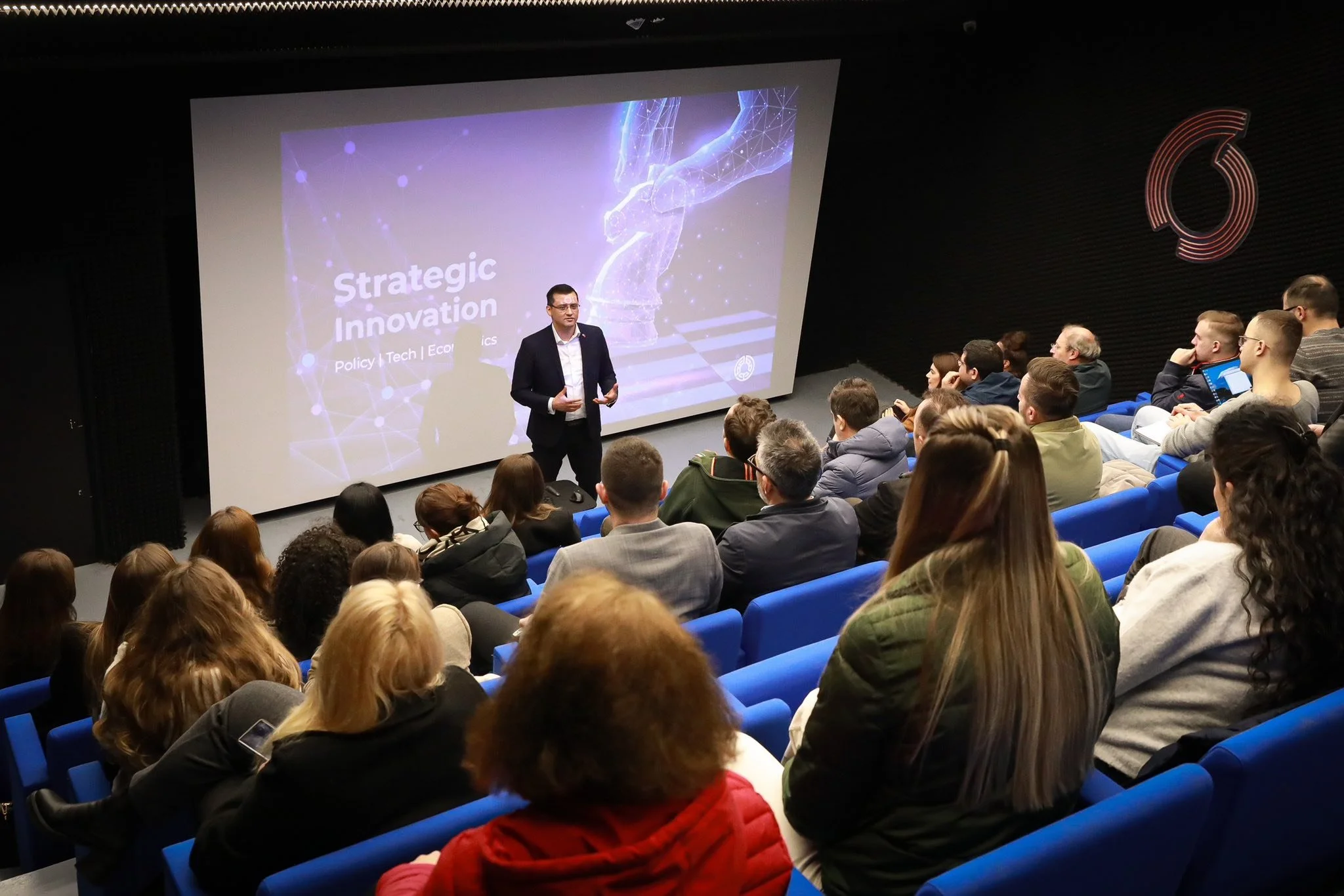
When invited, I speak and teach on AI, public procurement and small business, in English and Spanish, from procurement officials and professors to first-time entrepreneurs. The record of those talks, workshops and interviews is below.
How to reach me
To invite me to speak, teach or comment, the fastest way is a 30-minute call, or write to info@adrianrodriguez.net.
For consulting and training projects for your organization, the work runs through Agora Virtual, the small consultancy I founded.
Talks and appearances
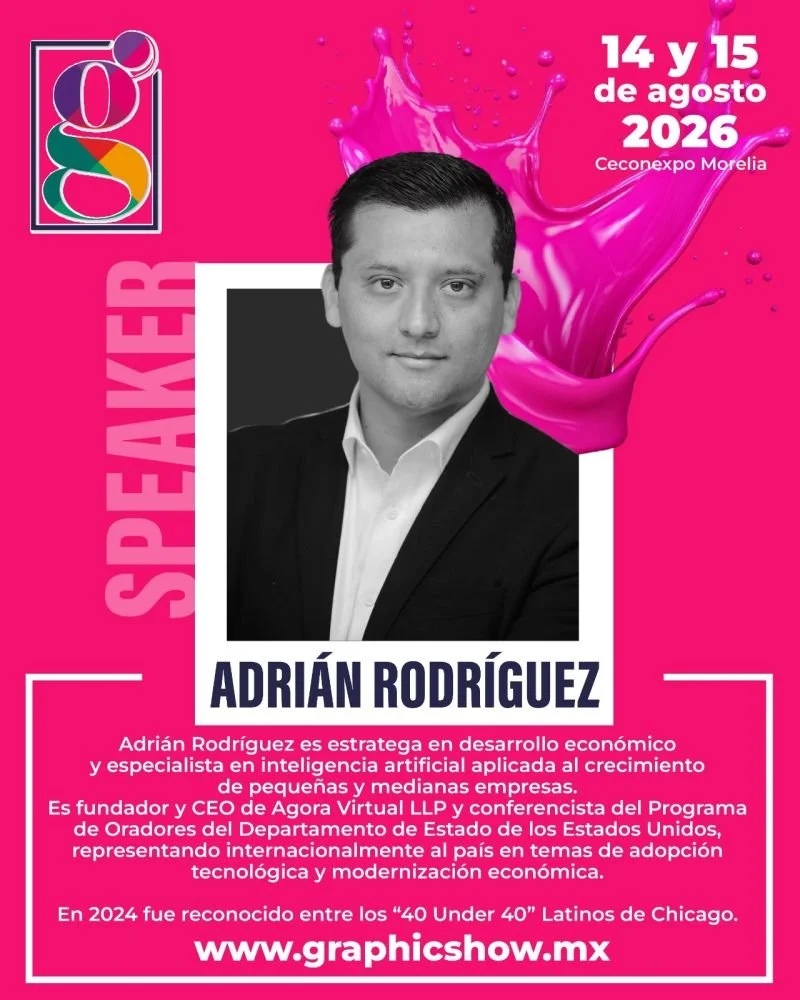
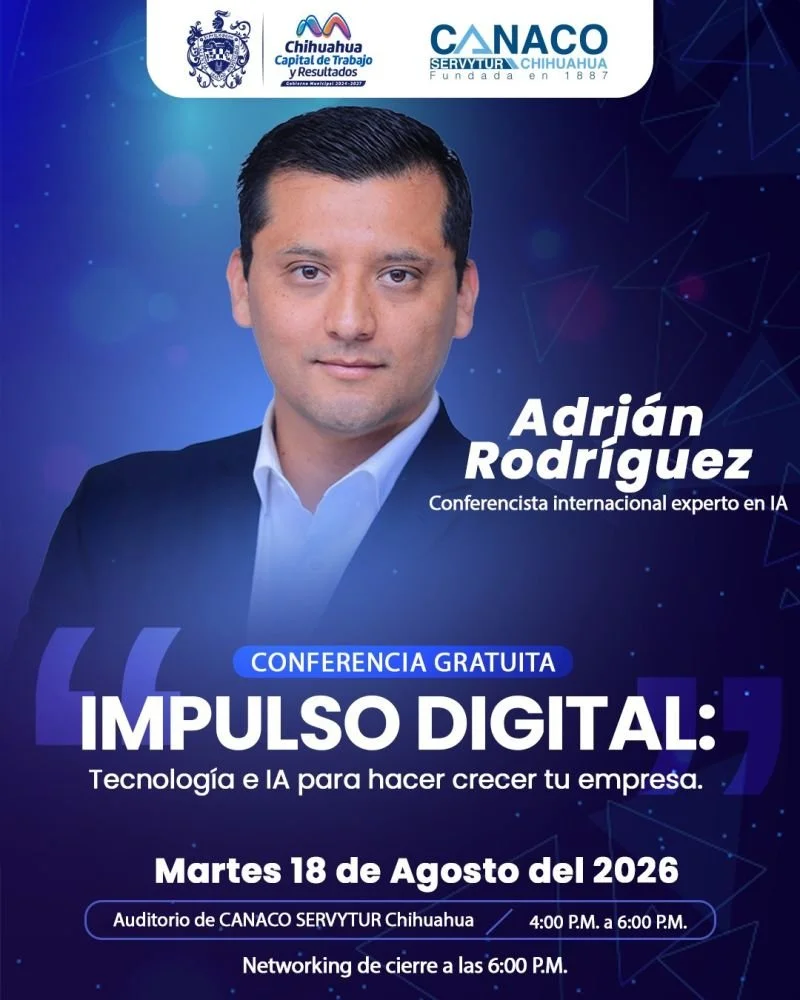
A record of talks, workshops and interviews since 2024, most of them through the U.S. Department of State's Speaker Program. In 2026: Graphic Show MX in Morelia (August 14–15) and CANACO Servytur Chihuahua, “Impulso Digital” (August 18).
The Speaker Program pairs U.S. professionals with embassies that request a speaker on a specific topic. Most of the engagements below came through it; the rest are from work in Chicago and Washington, DC.
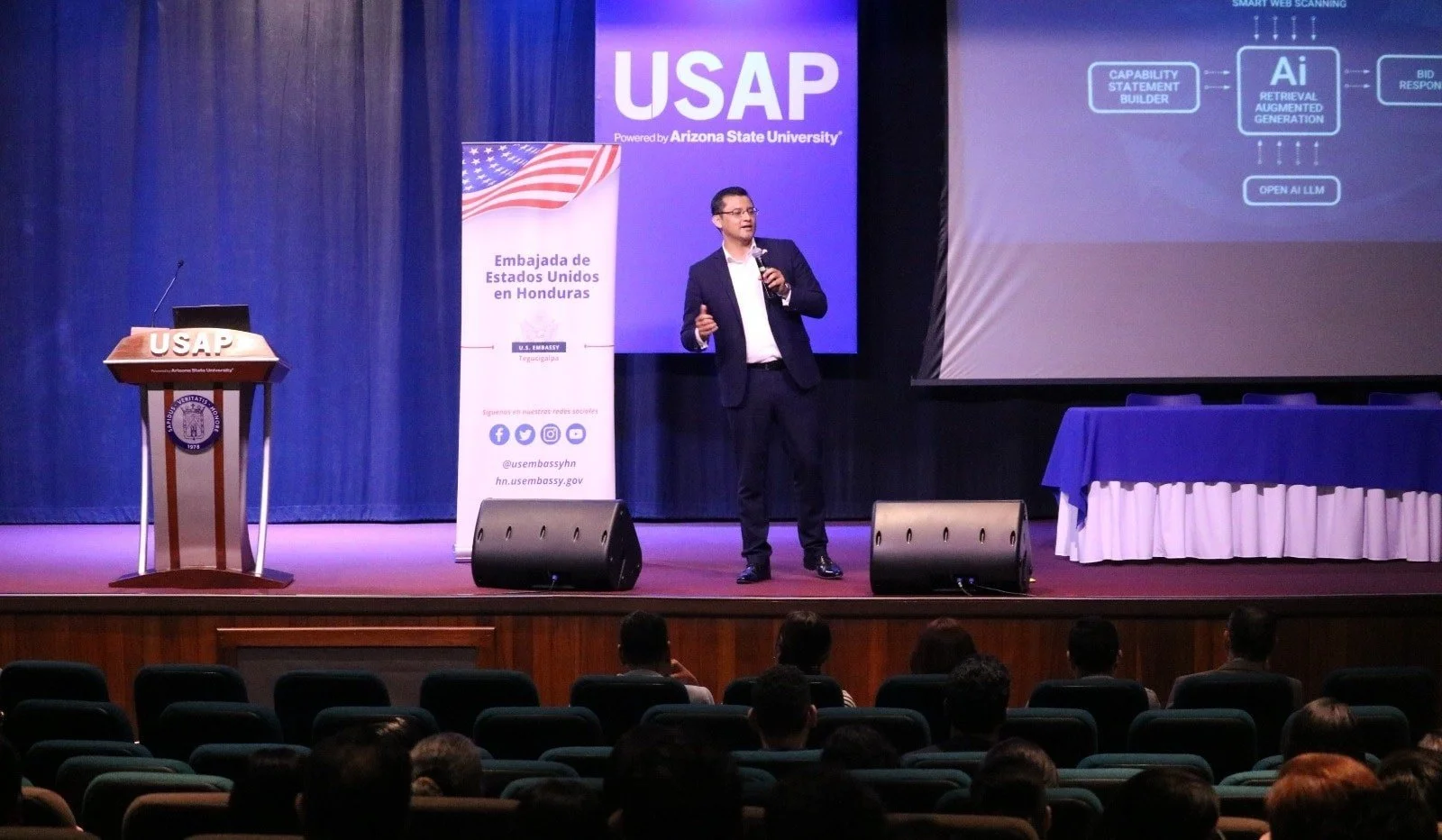
Honduras, San Pedro Sula. Universidad de San Pedro Sula (USAP), June 2025. AI in higher education, U.S. Speaker Program.
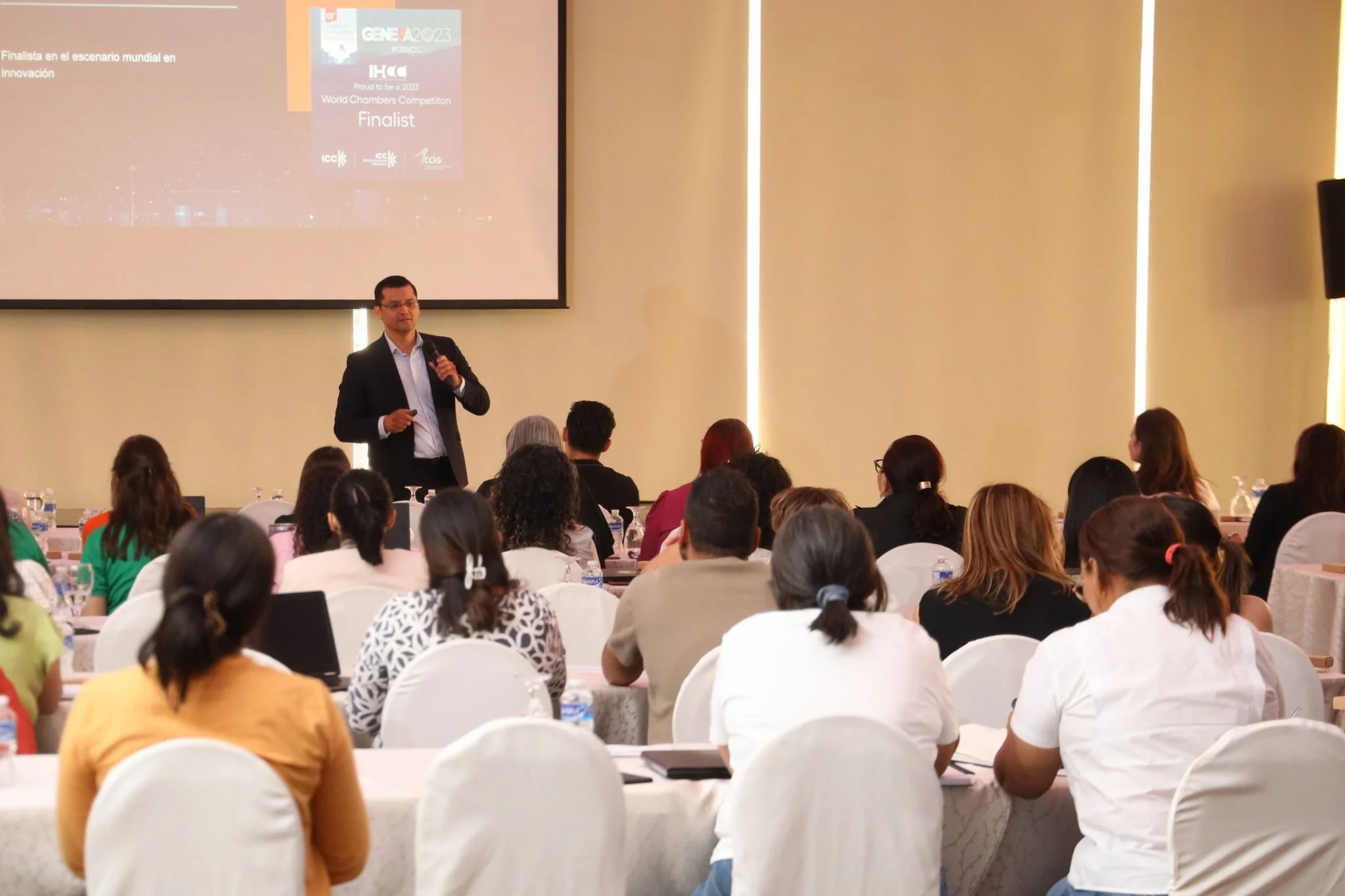
Honduras, San Pedro Sula. Club Hondureño Árabe, June 2025. Conversation with business leaders on AI adoption and competitiveness.

Honduras, Tegucigalpa. COHEP, June 2025. AI, data strategy and competitiveness, with business leaders and journalists.
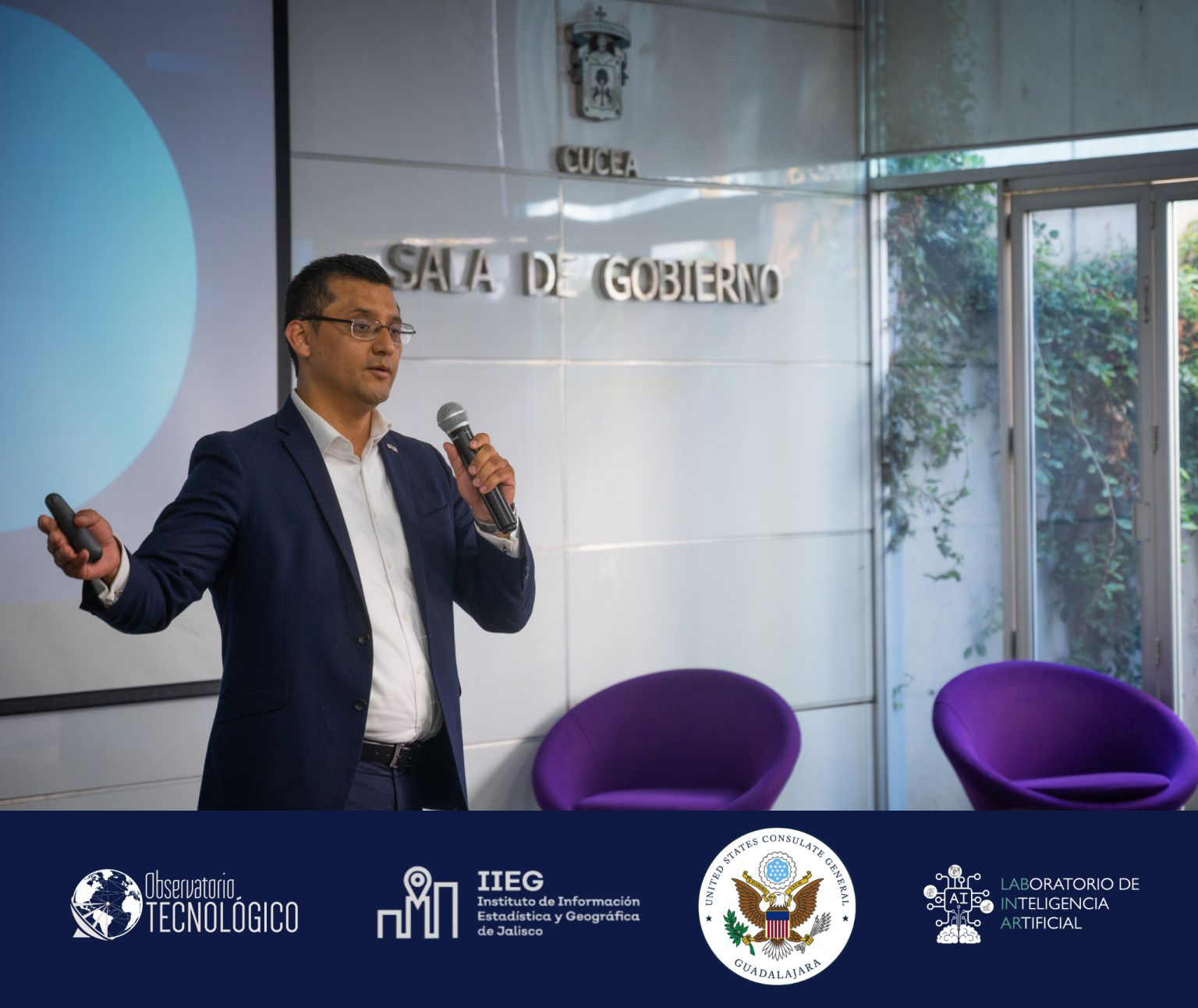
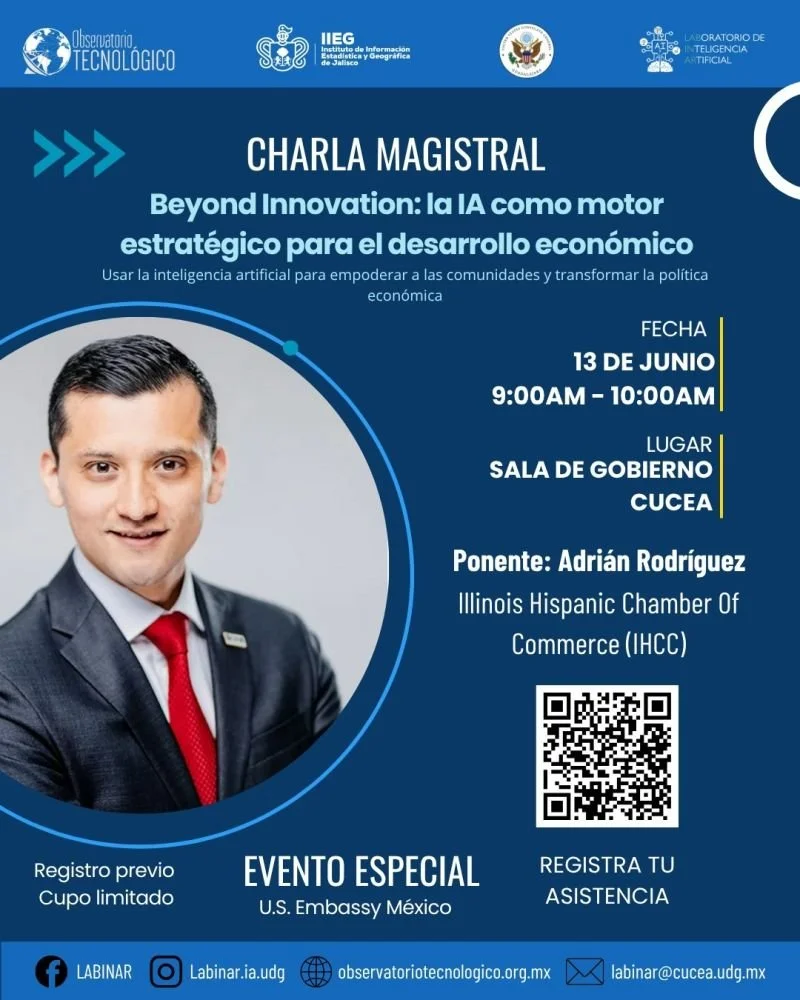
Mexico, Guadalajara, Jalisco. Universidad de Guadalajara (CUCEA), June 13, 2025. “Beyond Innovation: AI as a Strategic Lever,” with U.S. Embassy Mexico and the Consulate General in Guadalajara.

Honduras, Tegucigalpa. Frente a Frente, national television, June 24, 2025. Live panel on AI, governance and the economy.
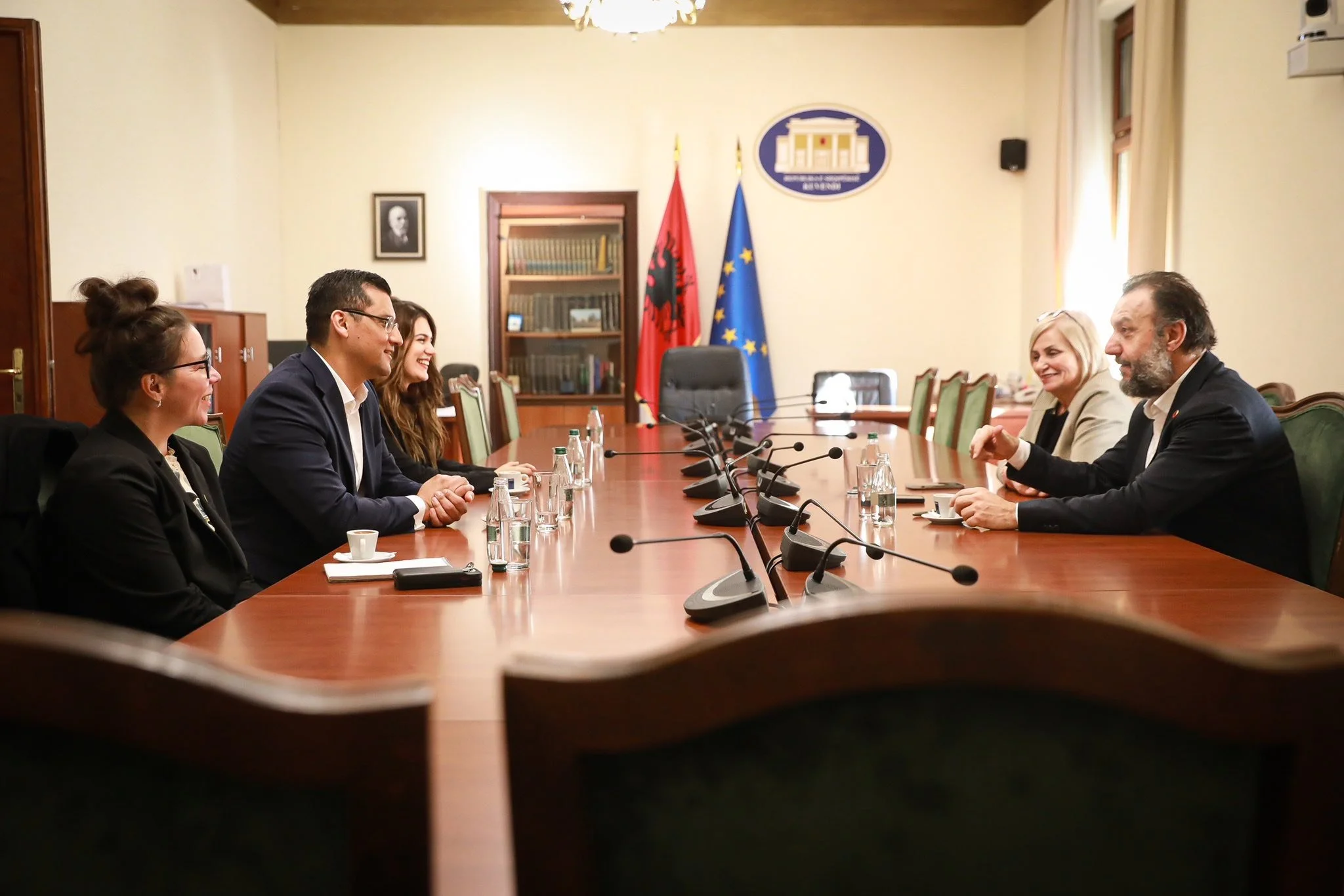
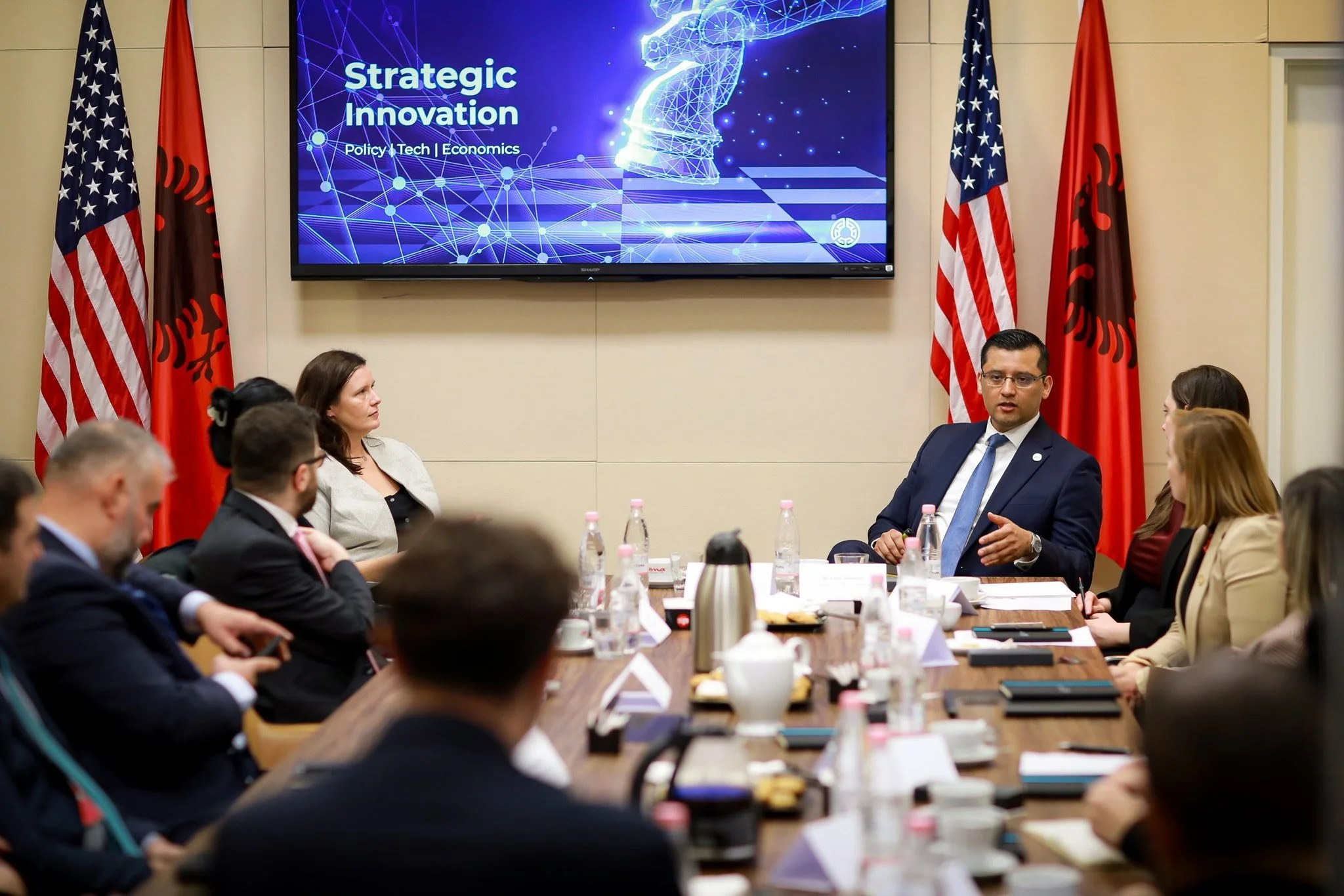
Albania, Tirana. Parliament of Albania, December 19, 2025. Meetings with Members of Parliament on AI in procurement and anti-corruption safeguards.
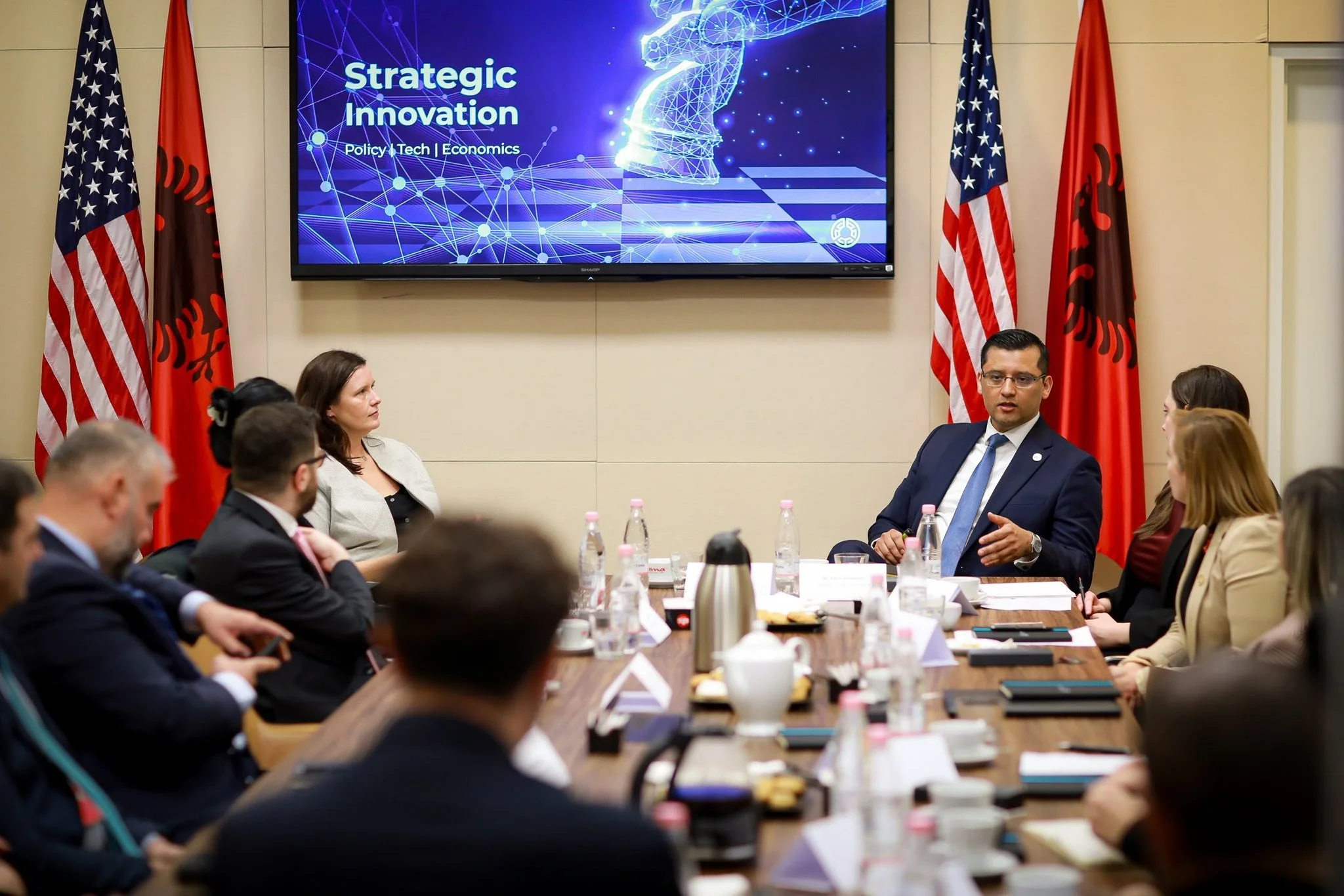
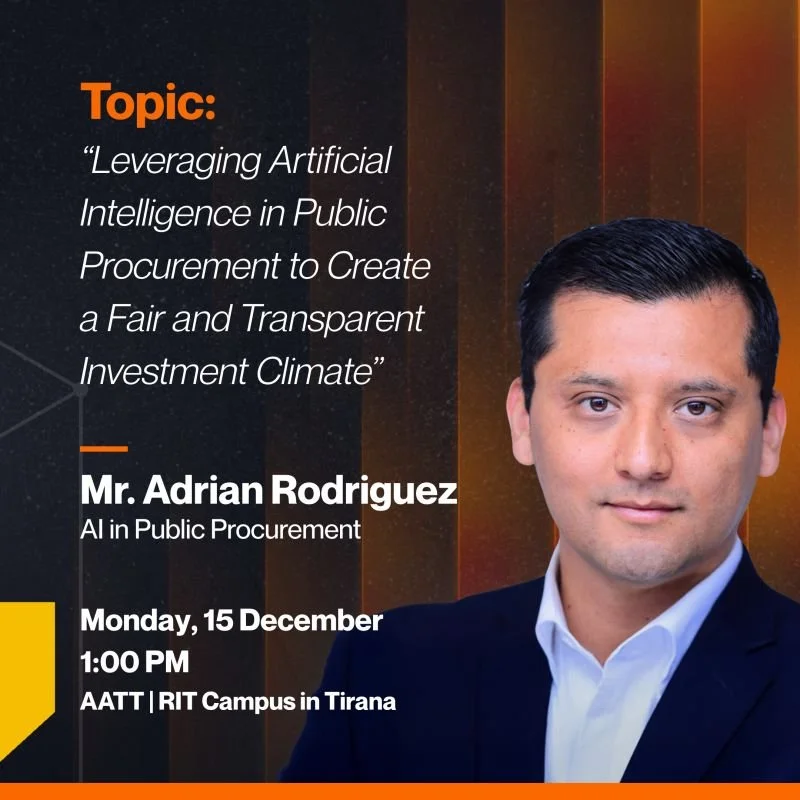
Albania, Tirana. Government roundtable, December 15, 2025. Public Procurement Agency, Public Procurement Commission, Centralized Purchases Operator, ministries and AKSHI: risk scoring, anomaly detection and transparency in tendering.
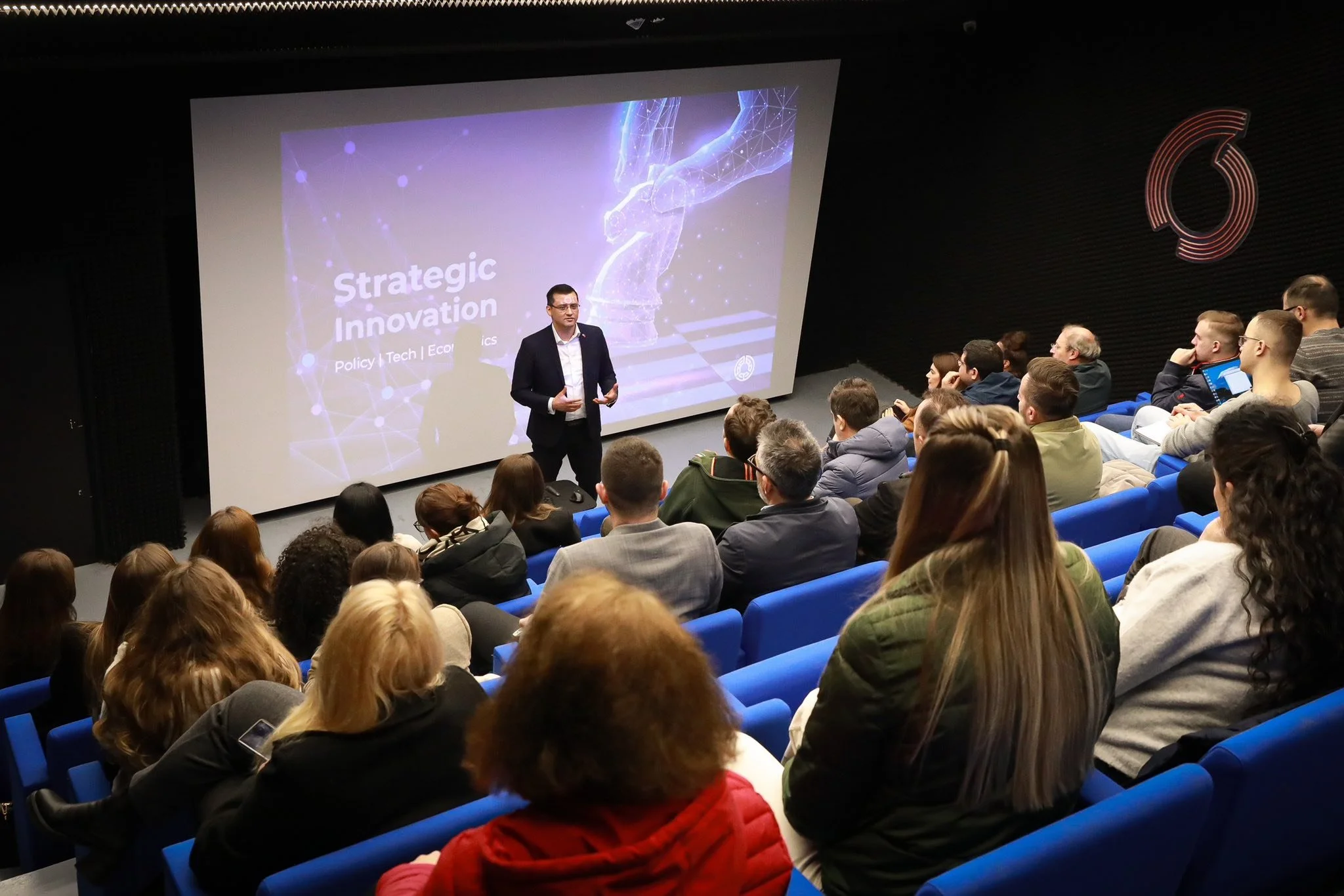
Albania, Tirana. Tirana Pyramid, December 16, 2025. Hands-on AI training for small and medium enterprises.
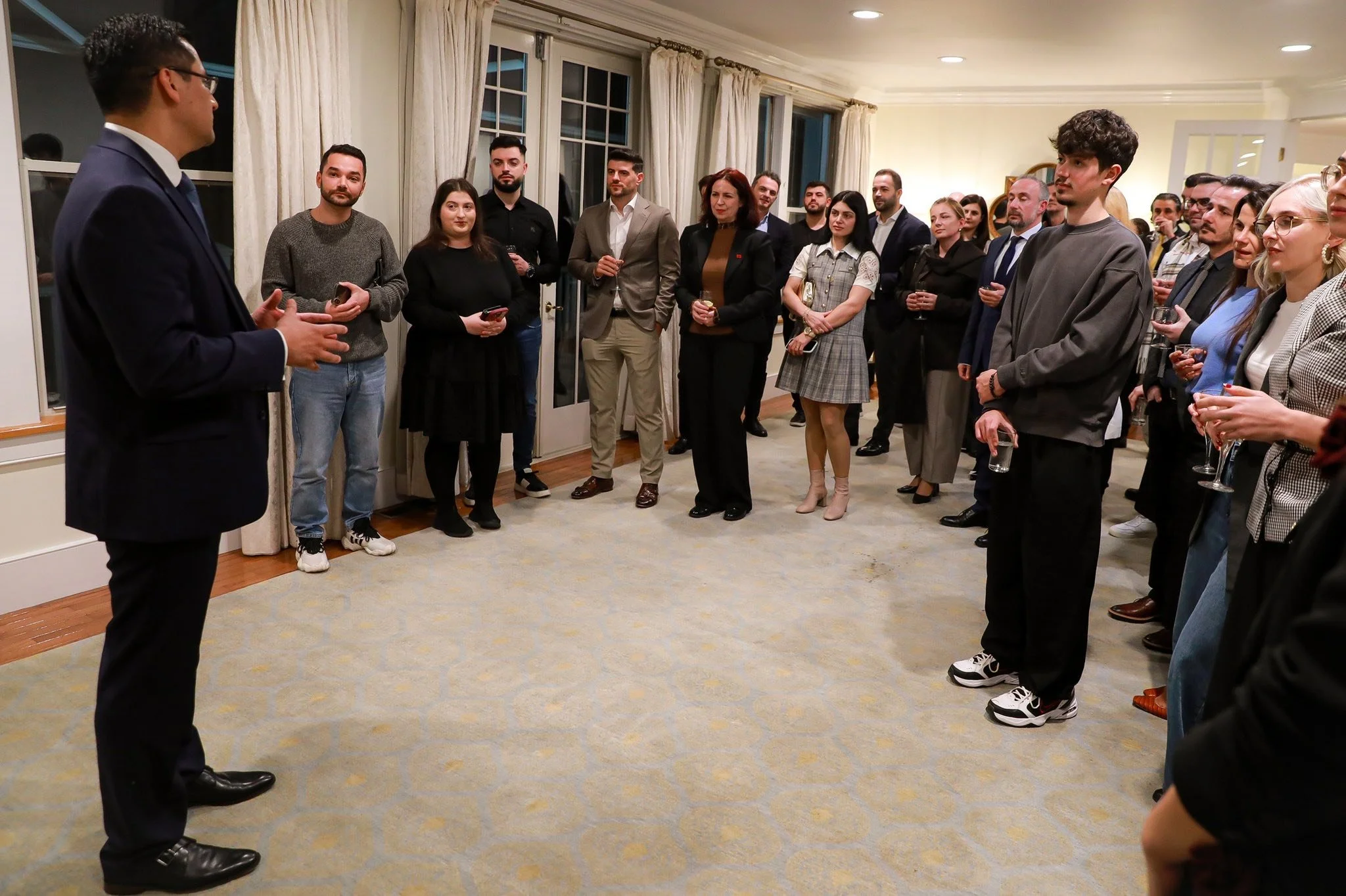
Albania, Tirana. U.S. Embassy Tirana, Chief of Mission Residence, December 15, 2025. Reception with officials and business leaders on procurement reform.
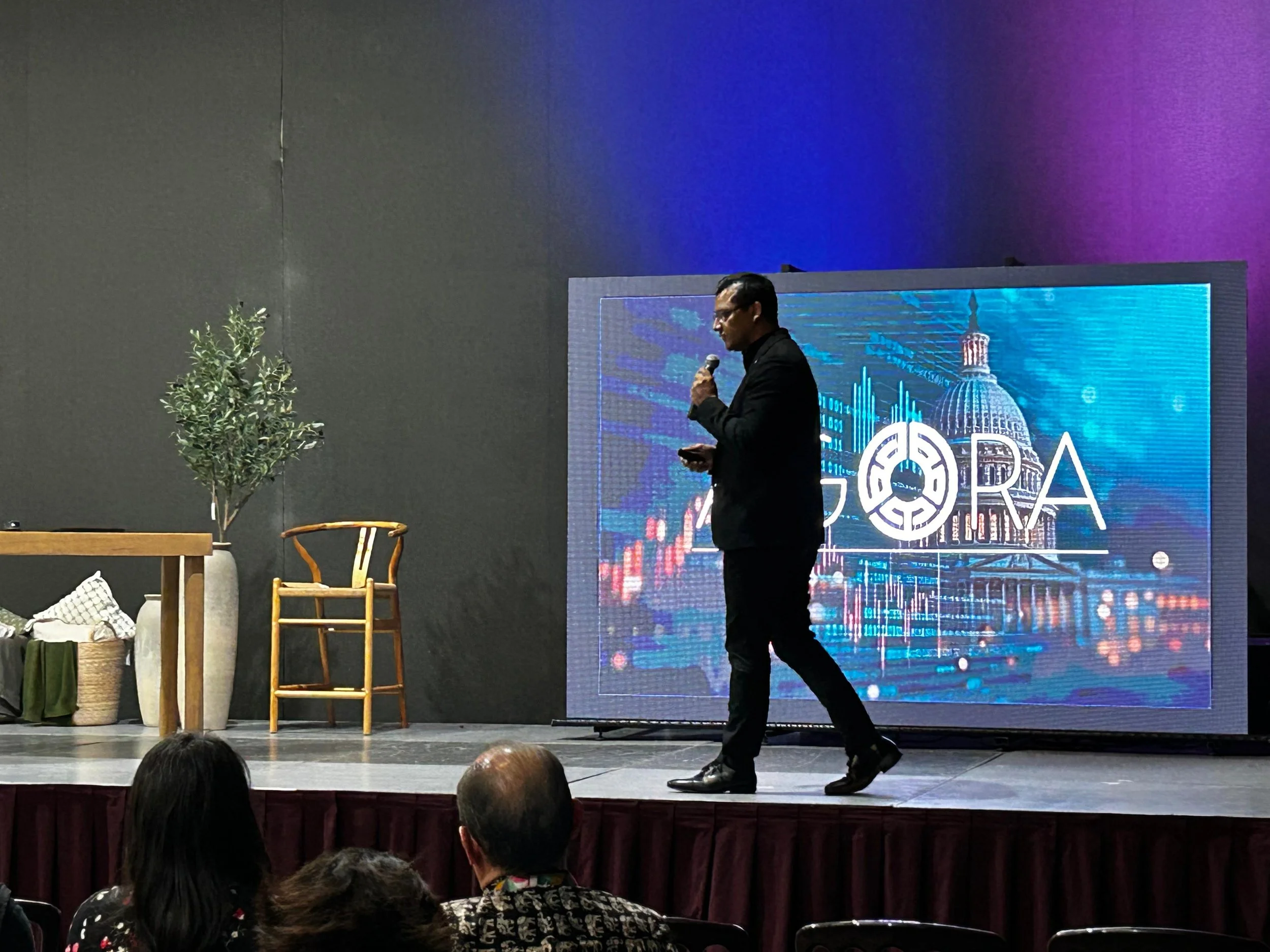
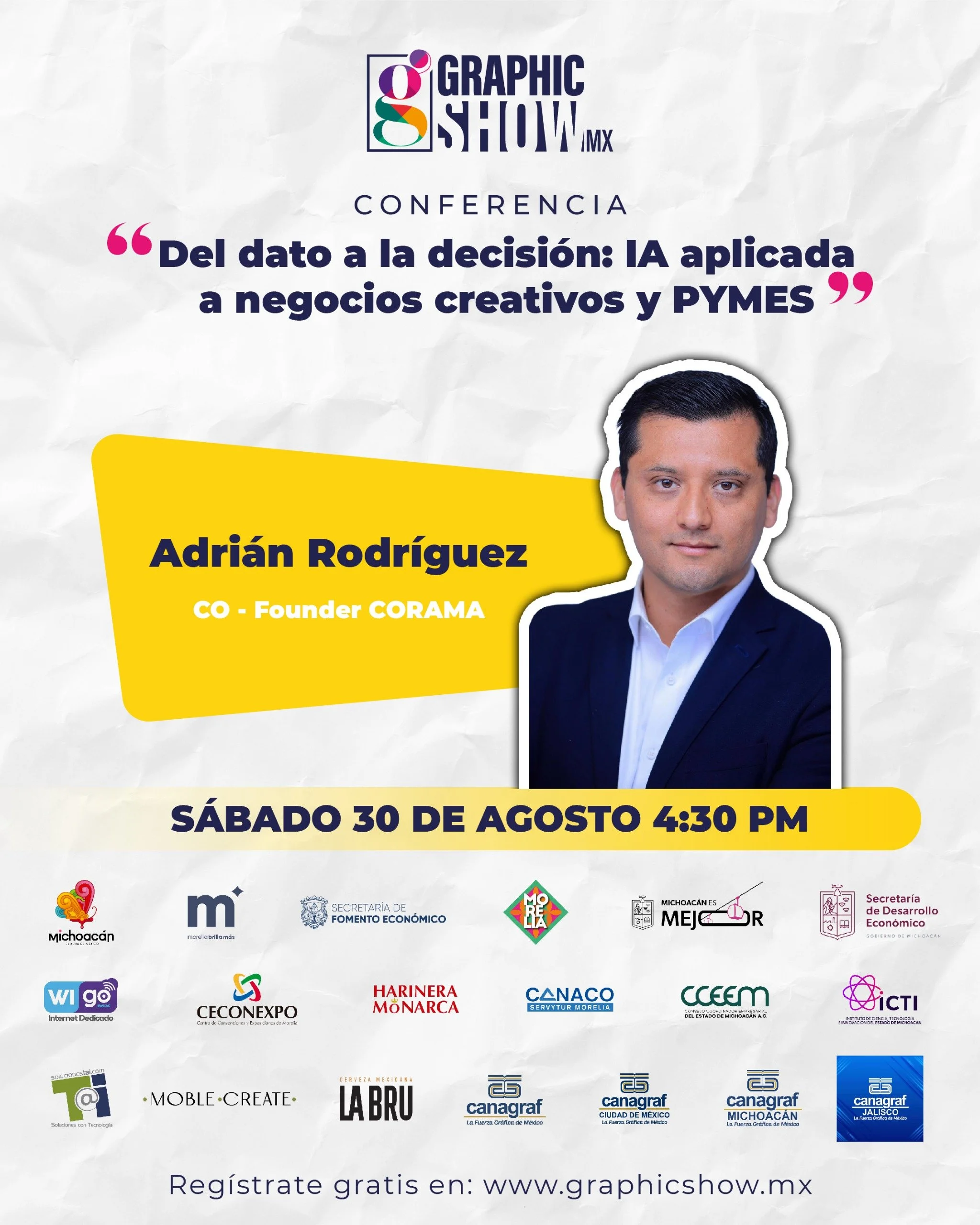
México, Michoacán, Morelia. Graphic Show MX, August 2025. “Del dato a la decisión: IA aplicada a negocios creativos y PYMES,” 500+ attendees.

United States, Chicago, Illinois. Telemundo Chicago, 2025. Interview on the economic impact of U.S. elections for small businesses.
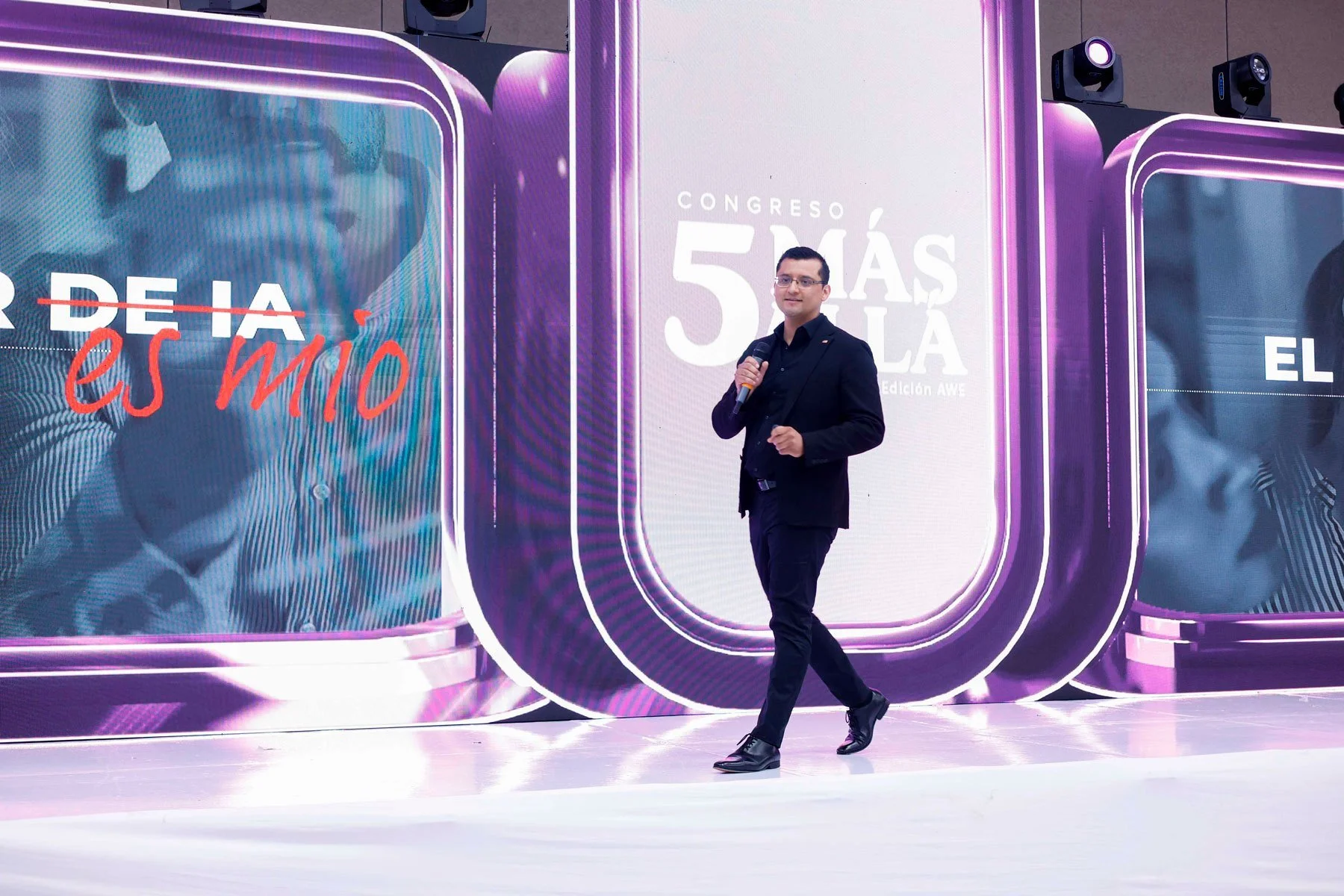
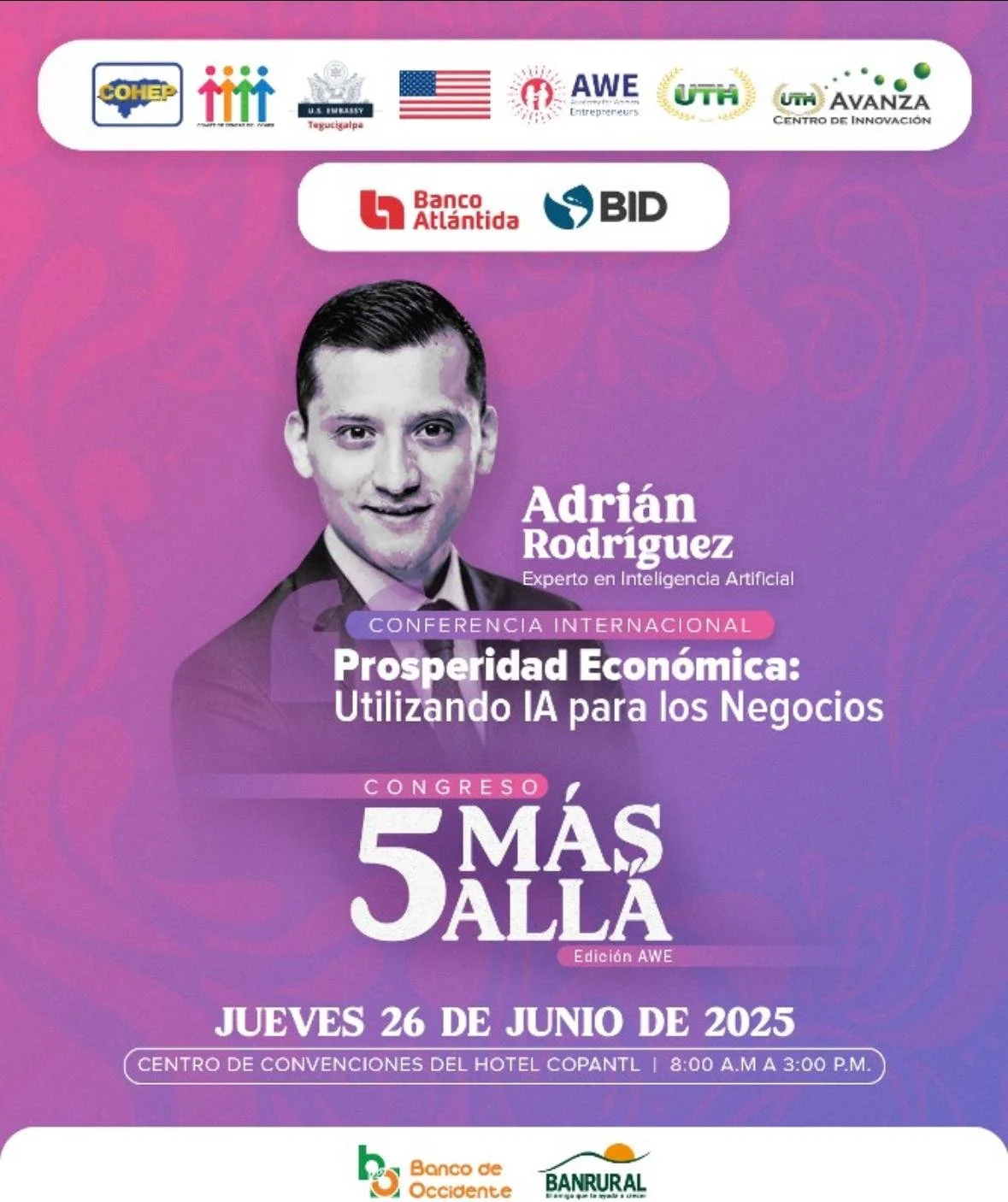
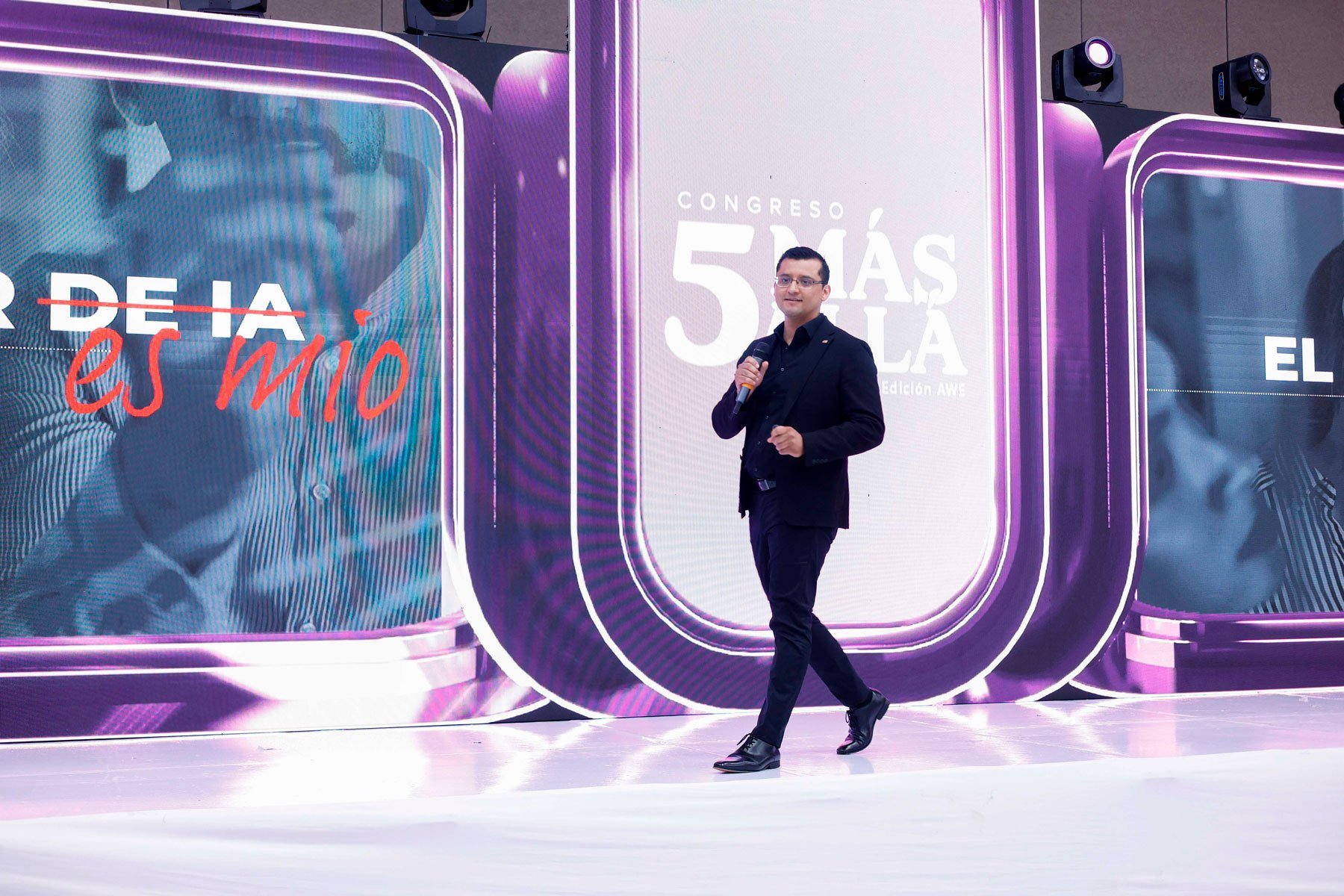
Honduras, San Pedro Sula. Congreso 5 Más Allá (Academy for Women Entrepreneurs), Centro de Convenciones Copantl, June 2025. Opening session on AI for small business, 1,300+ attendees.
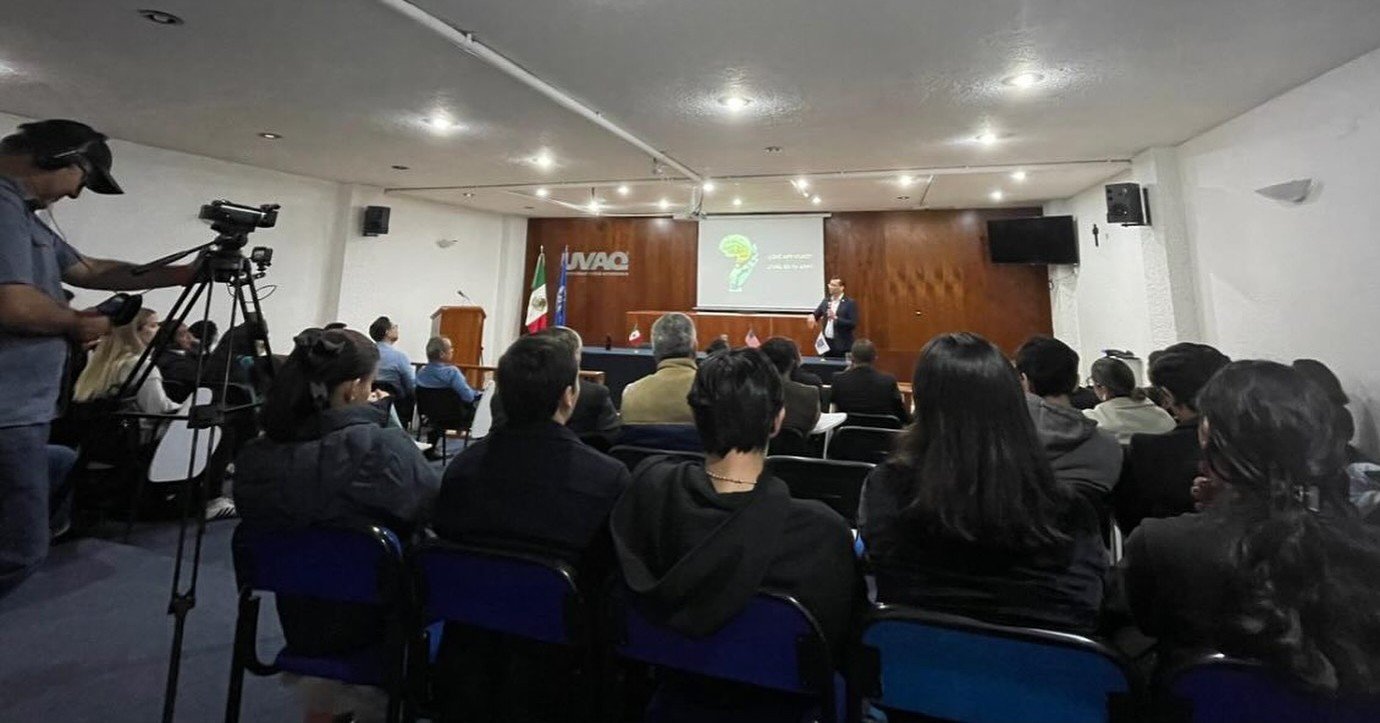
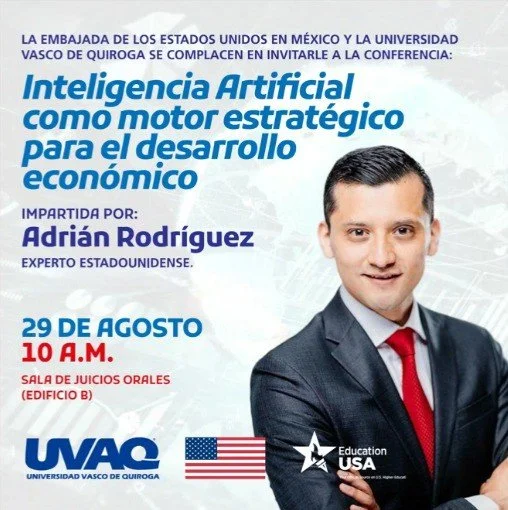
México, Michoacán, Morelia. Universidad Vasco de Quiroga, August 29, 2025. AI for small business development, U.S. Mission Mexico.
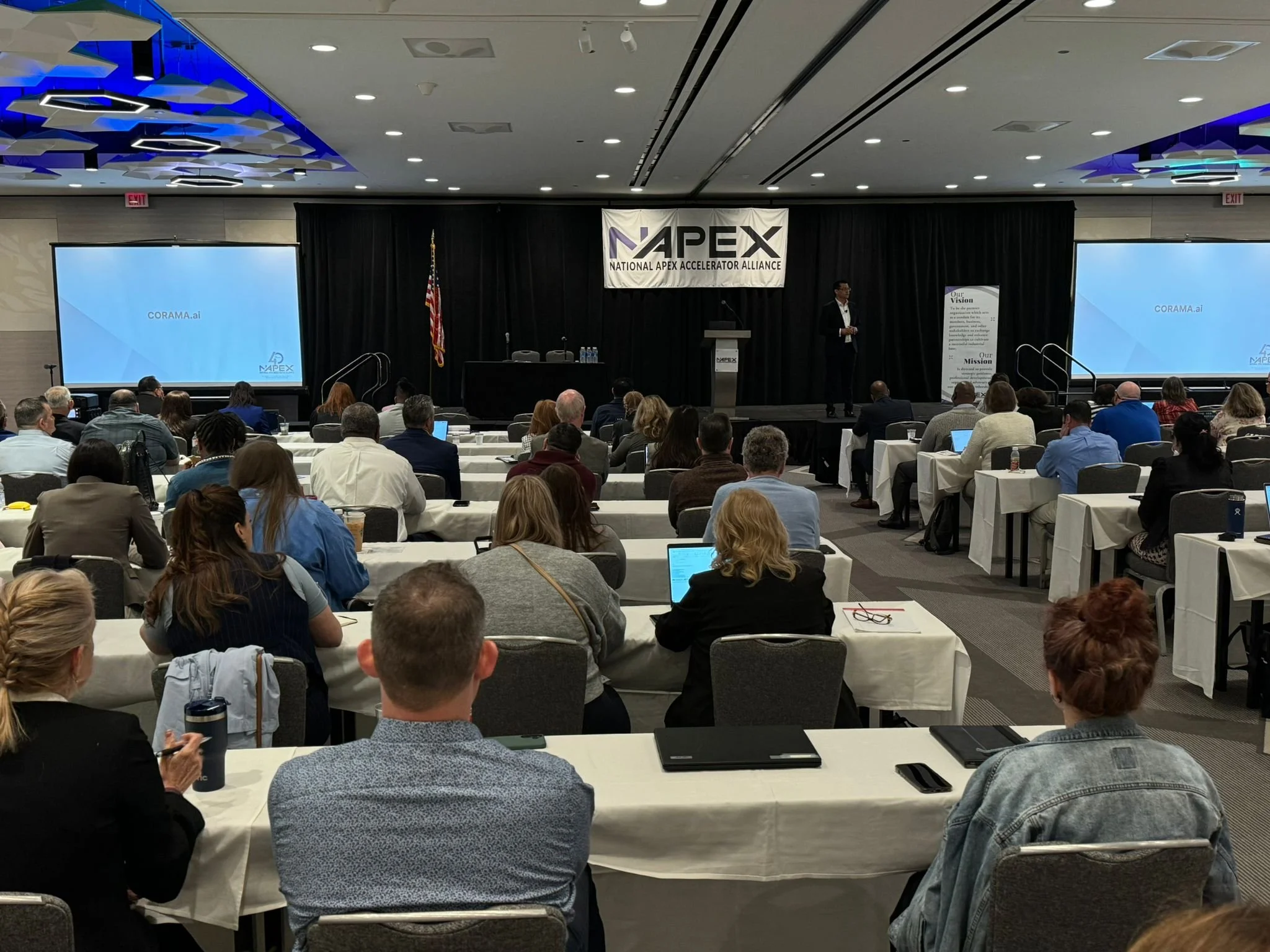
United States, Washington, DC. NAPEX Fall Conference, November 2025. Breakout session “Everyday AI, Extraordinary Impact” for nonprofit advisors.
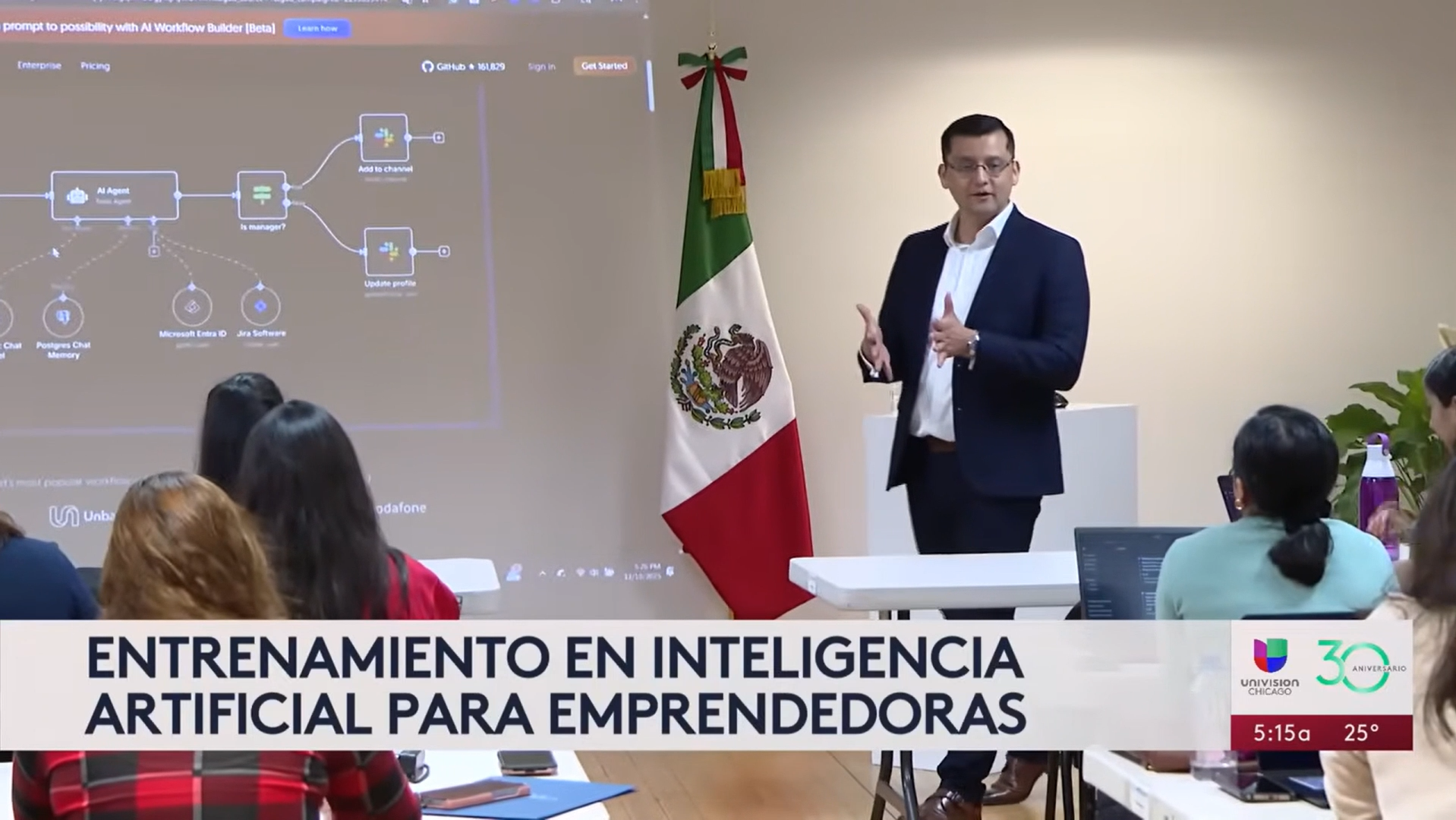
United States, Chicago, Illinois. Consulate General of Mexico, 2025. Workshop series on applied AI for 40 women entrepreneurs, in Spanish.
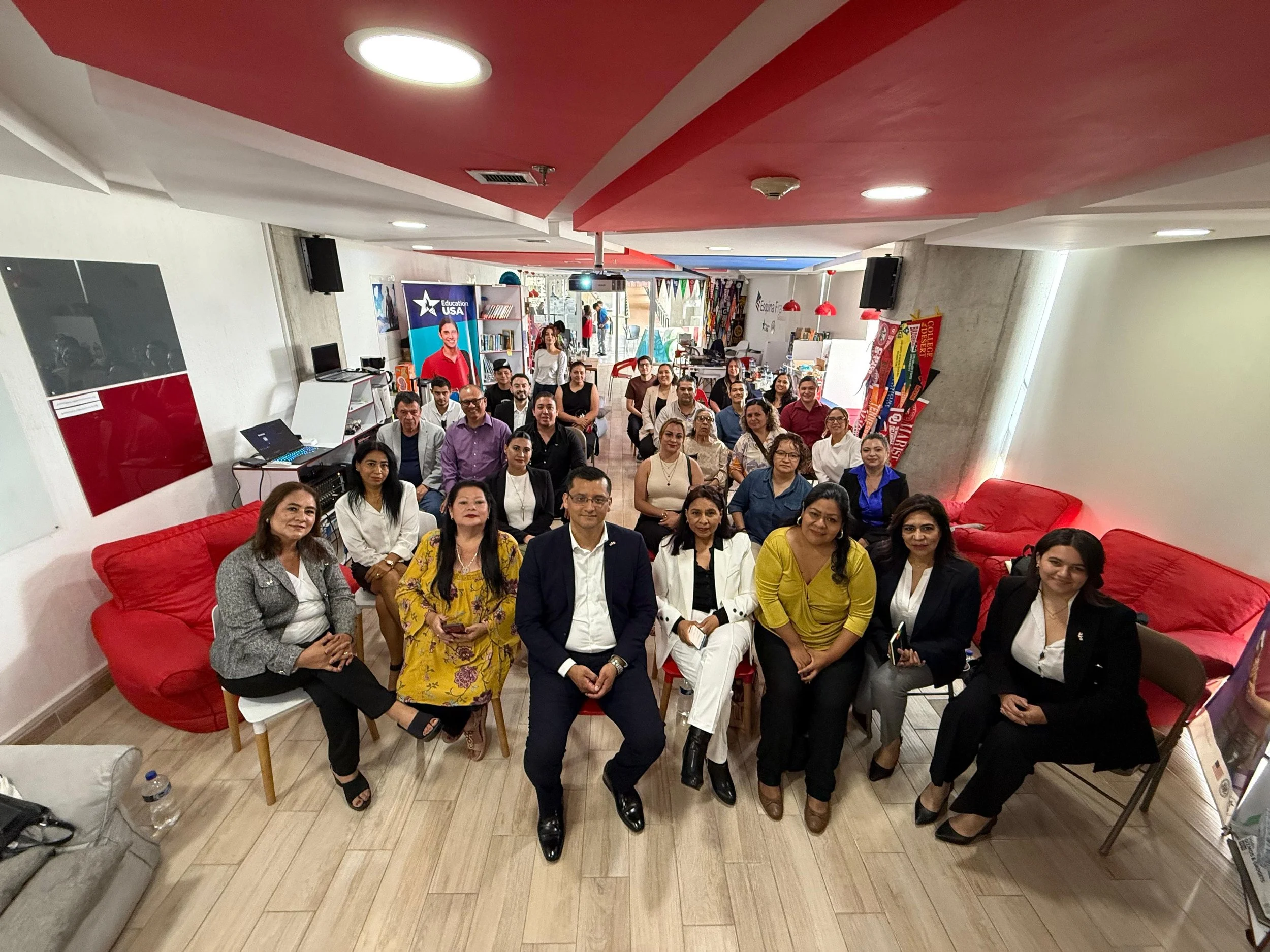
Mexico, Guadalajara, Jalisco. American Corner Guadalajara, June 13, 2025. Practical AI for women entrepreneurs (Academy for Women Entrepreneurs).
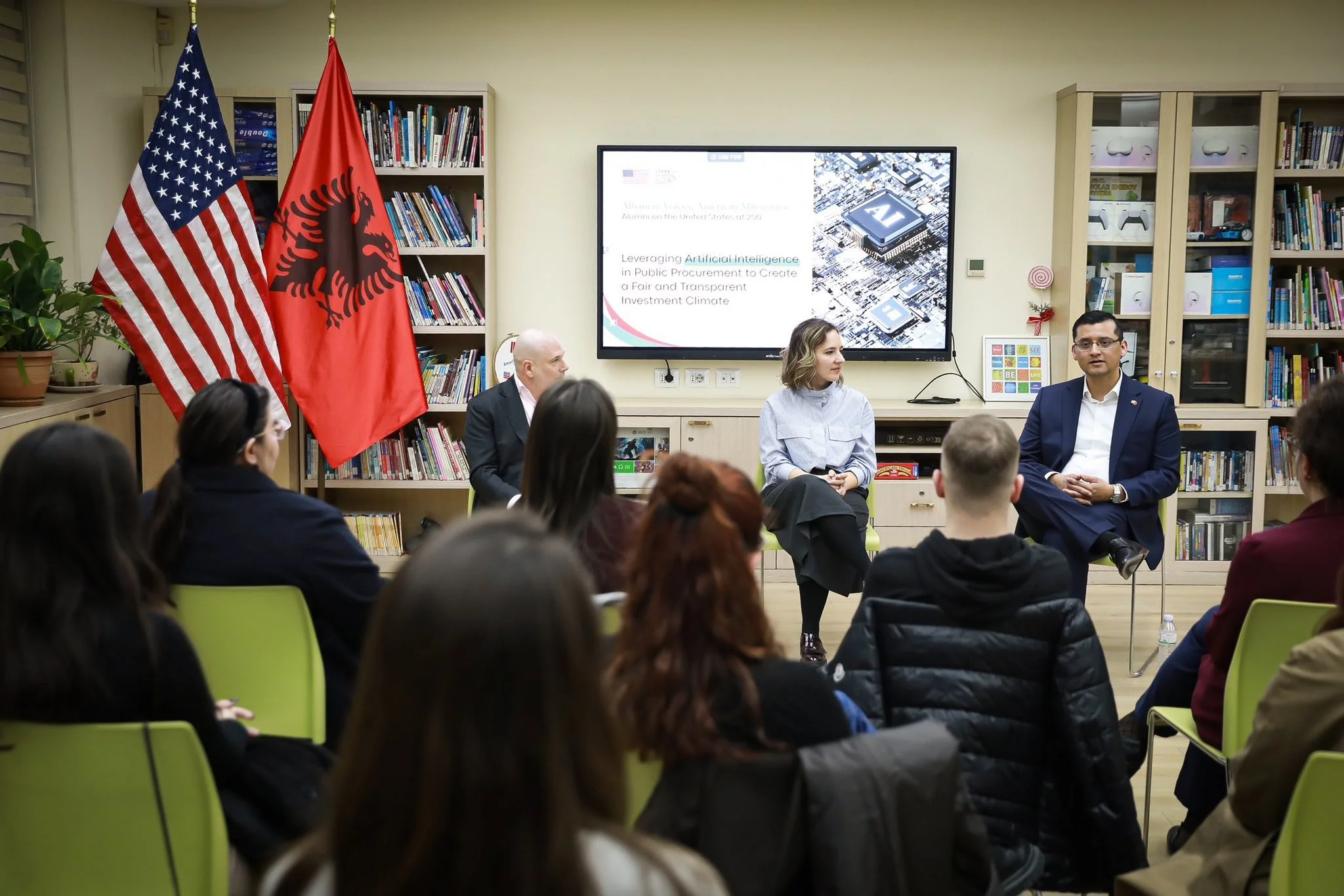
Albania, Tirana. American Corner Tirana, December 19, 2025. Open session with students on AI applications and risks.
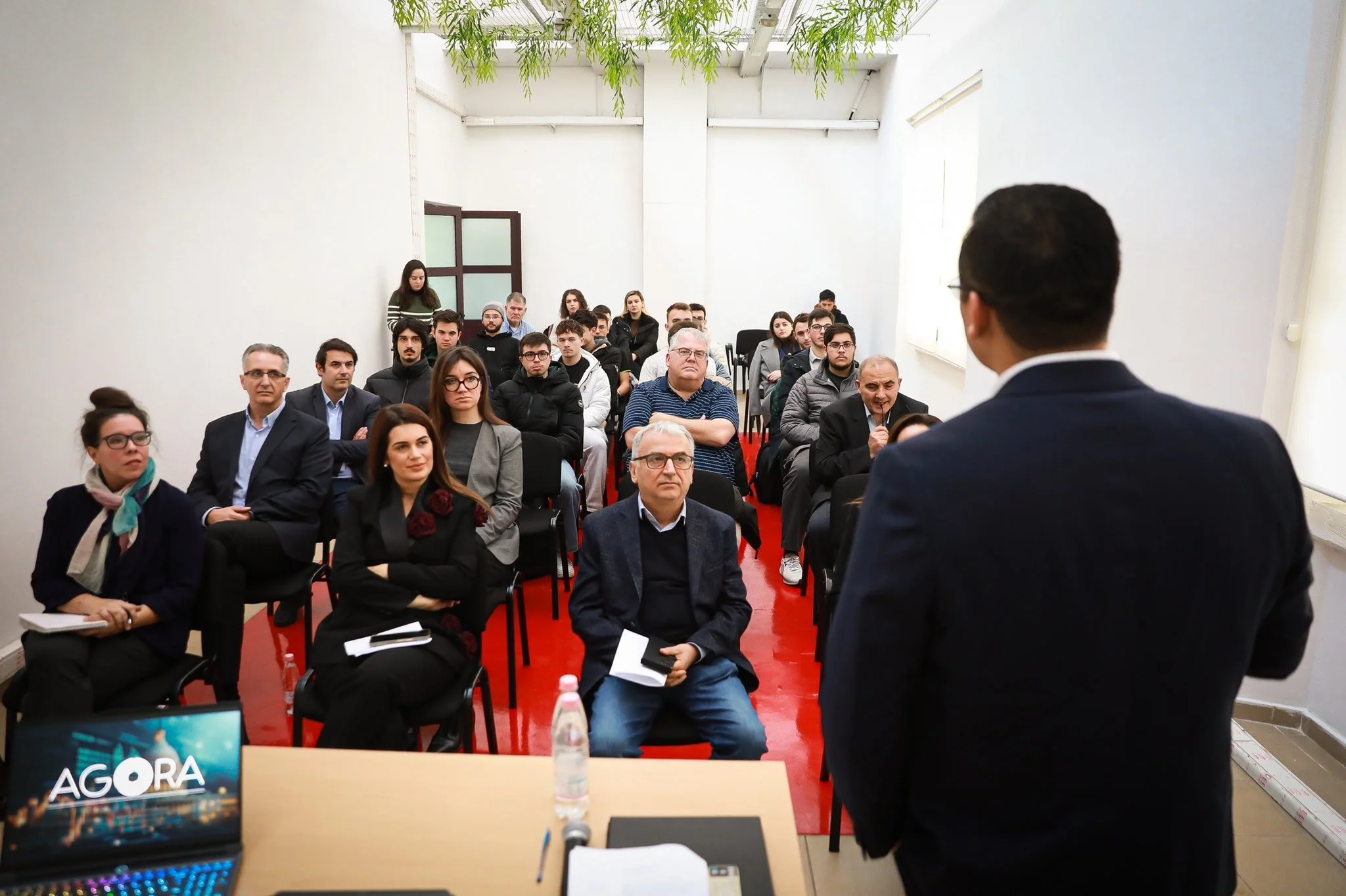
Albania, Tirana. RIT Albania, December 15, 2025. Discussion with faculty and students on AI in higher education, 100+ participants.
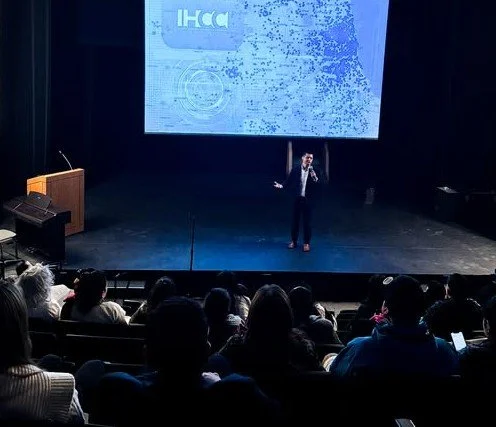
United States, Chicago, Illinois. Wilbur Wright College, City Colleges of Chicago, 2025. Lecture on entrepreneurship and AI.
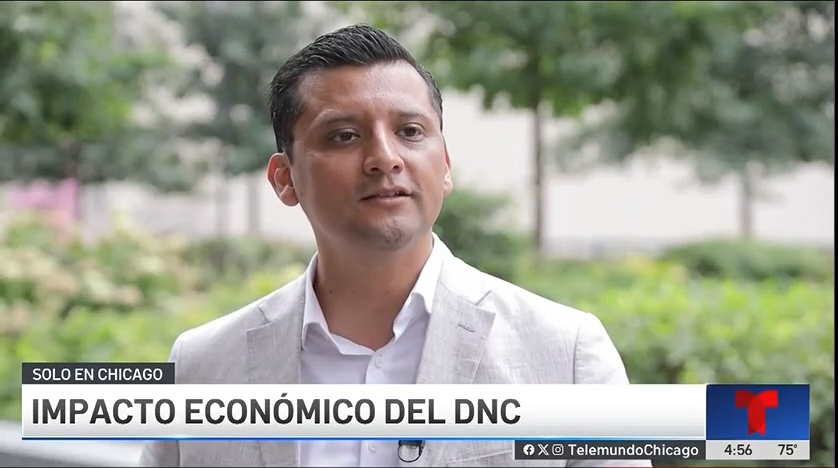
United States, Chicago, Illinois. Telemundo Chicago and NBC Chicago, 2024. Interviews on the economic impact of the Democratic National Convention.
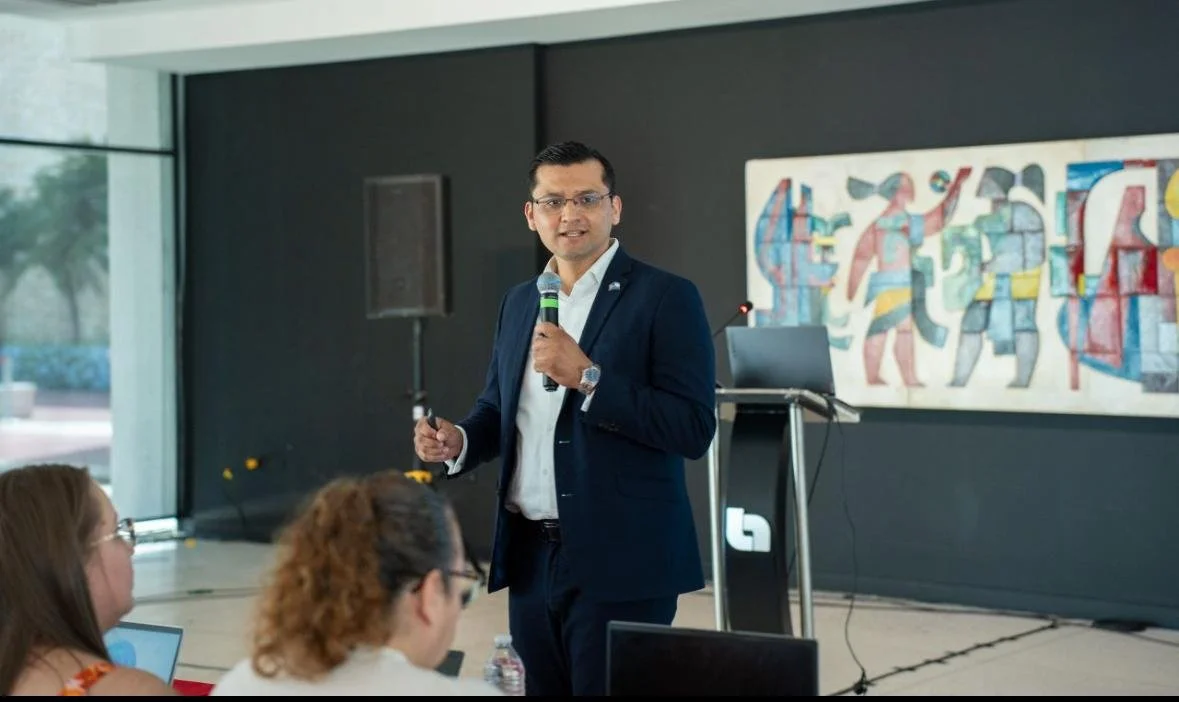
Honduras, Tegucigalpa. Banco Atlántida, June 24, 2025. Practical AI workshop for small business owners.
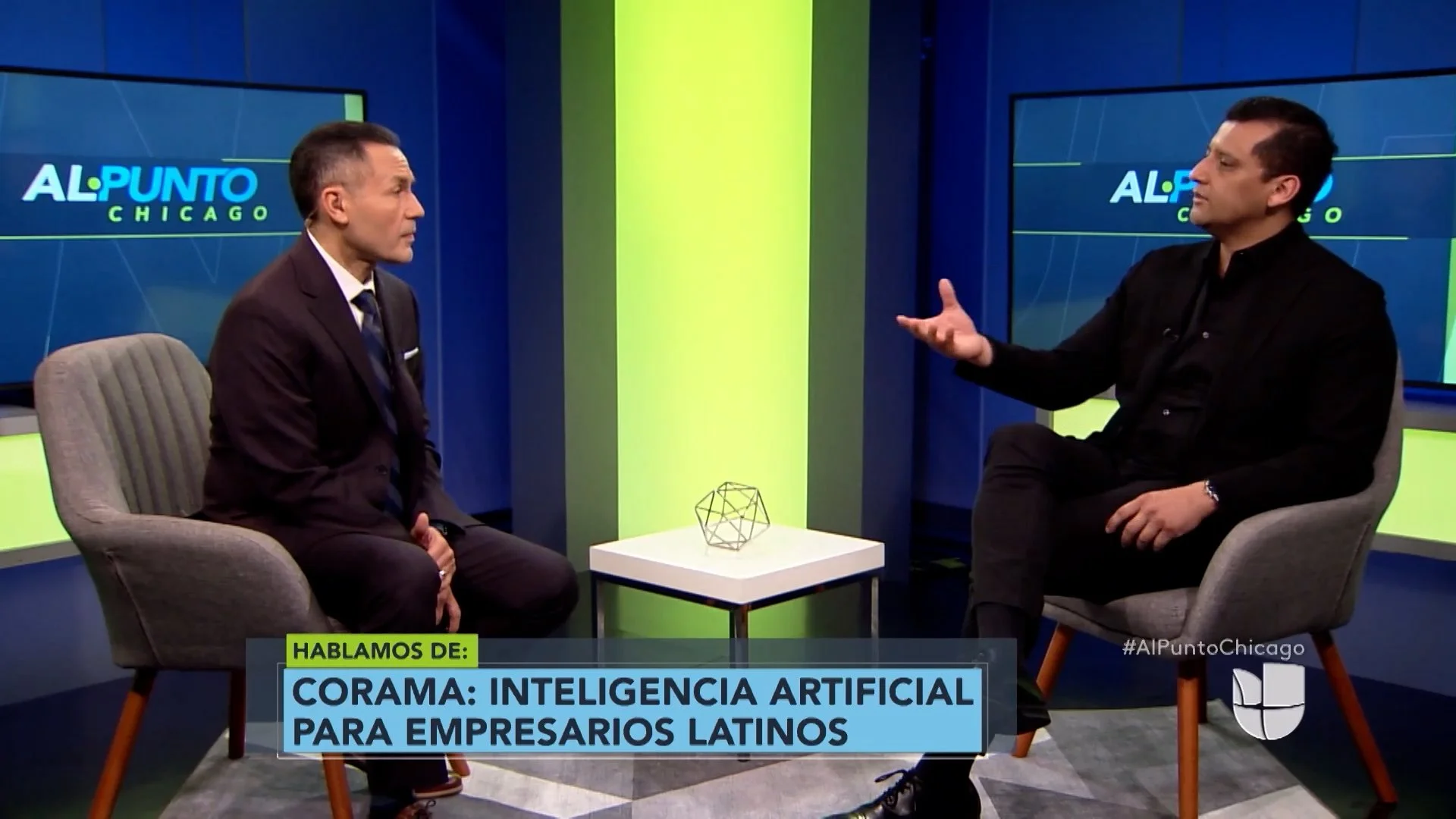
United States. Univision, Al Punto with Enrique Acevedo, 2025. Interview on AI and procurement access for Latino- and minority-owned businesses.